Valais grapes, a glass with the meal
White stays easy, red has character. You open the bottle in the evening, once the children are in their room.
Updated 27 October 2026
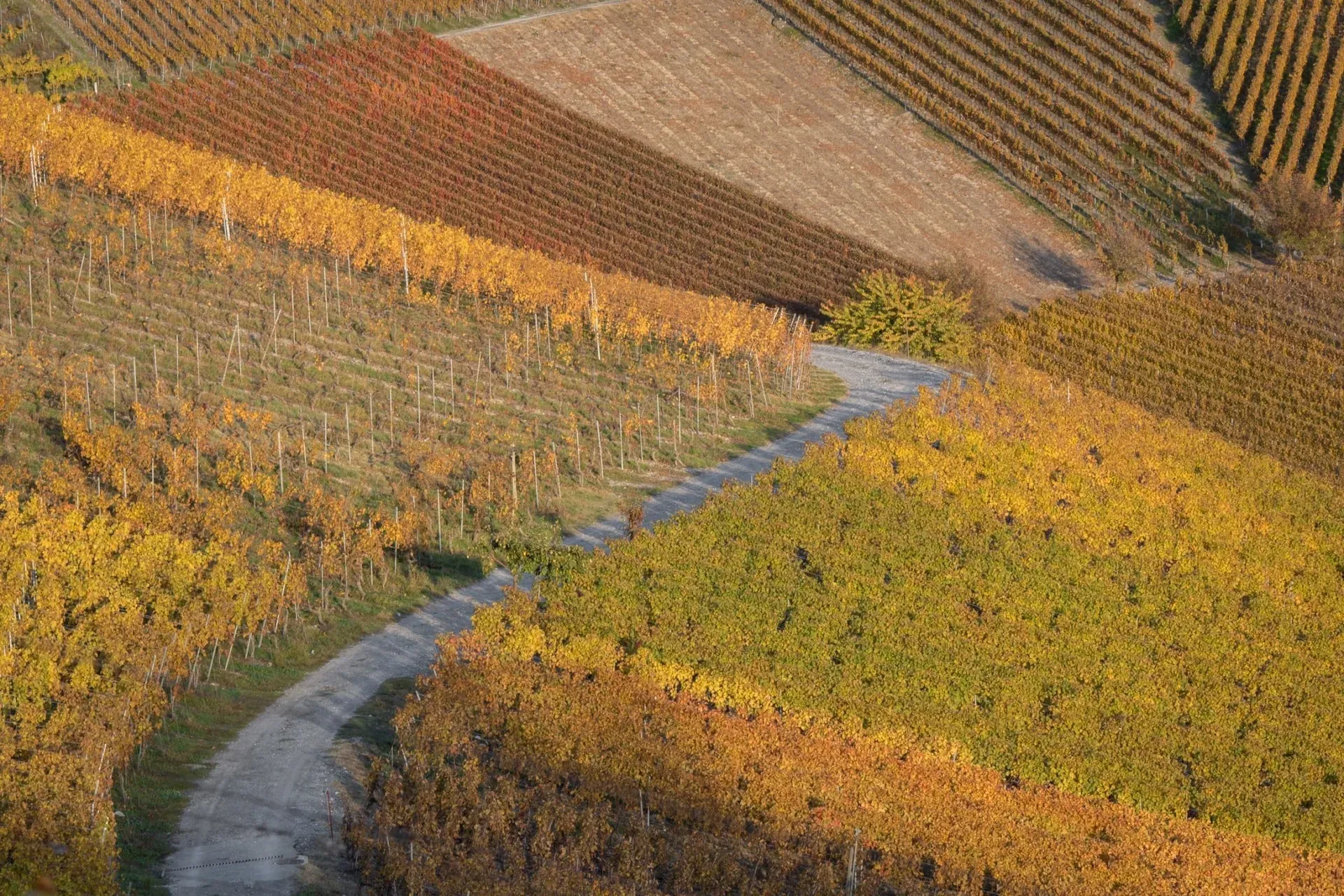
In the Valais more than 50 grape varieties grow in a small space, many of them almost only here. They taste of sun, of steep terraces and of place. Pale means fresh, dark means spicy, and the bottle opens in the evening when the children are asleep.
The vines stand roughly between 500 and 1,100 metres, on dry slopes, often in the hands of small estates. That is why the same name tastes different from one site to the next.
Red, spicy, with meat
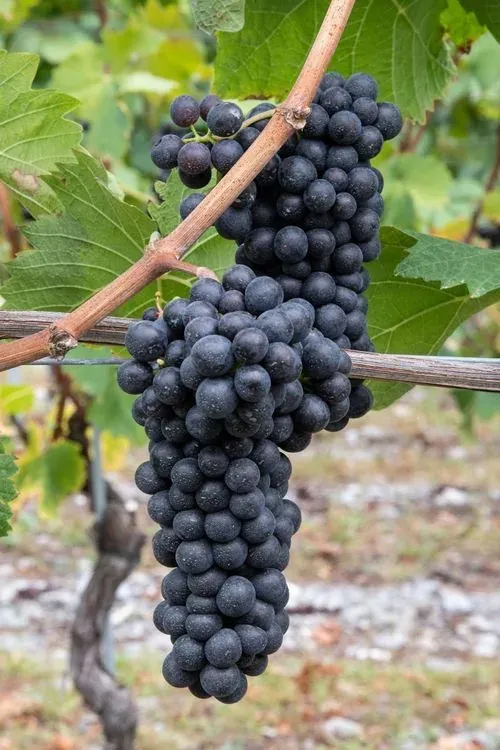
Cornalin is dark and spicy, with berries and spice, and it fits meat, the grill and a stew. Humagne Rouge is earthier and stays close to the region. Pinot Noir grows stronger in the Valais through sun and altitude, and it is the wine many people start with.
White, light, with cheese
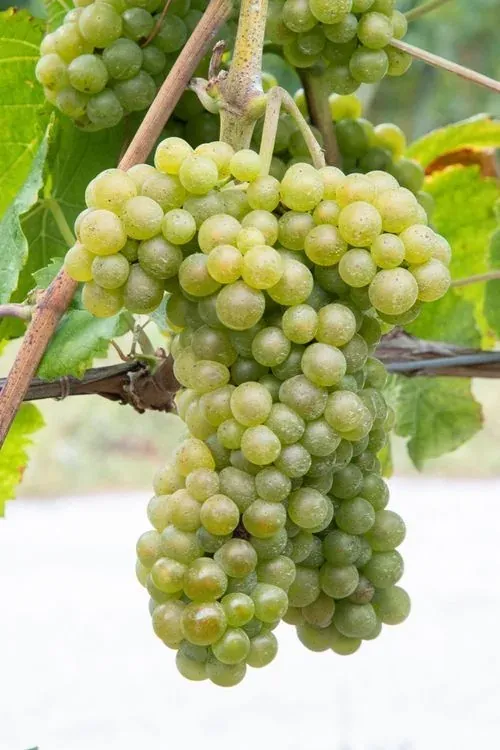
Petite Arvine is fresh and lively, slightly salty on the finish, with citrus. It fits an apéro, fish and a light plate. Heida, also Savagnin Blanc, grows higher, has more body, nutty and mineral, and sits well beside raclette and cheese. Fendant is the Chasselas of the Valais: light, and it goes with almost any evening meal.
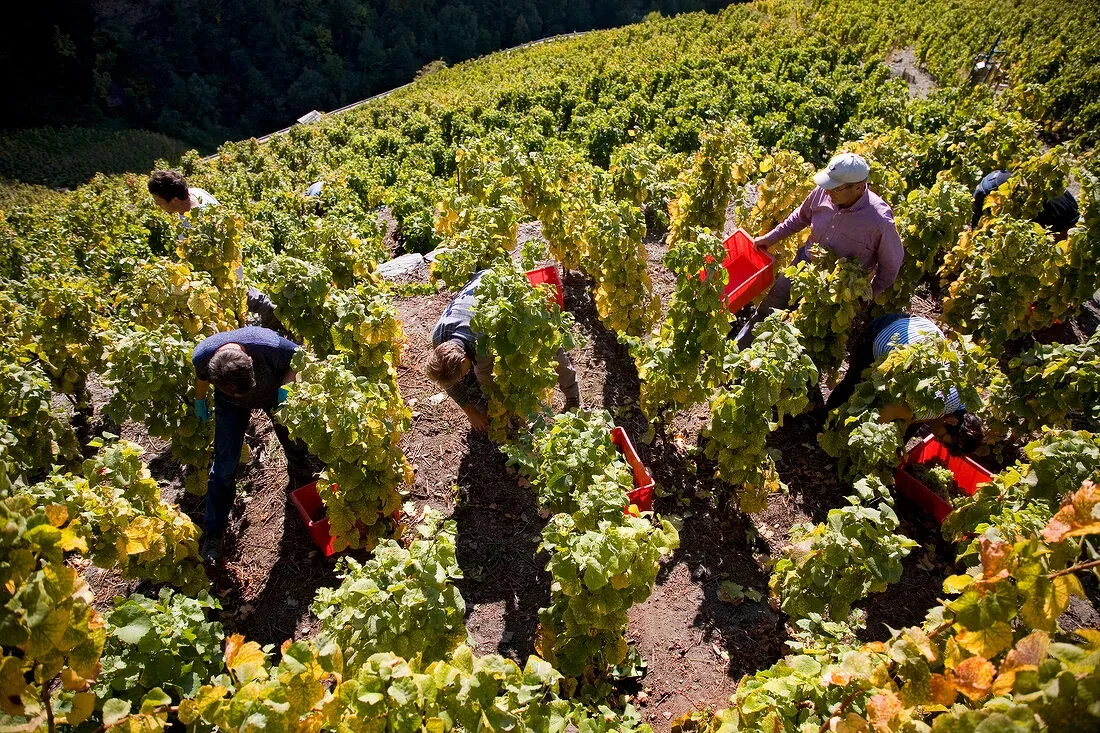
In autumn you see where it comes from. Red crates, yellow leaves, people in the rows. Afterwards the wine is in the bottle, and you decide which evening it opens.
At the table in Leukerbad
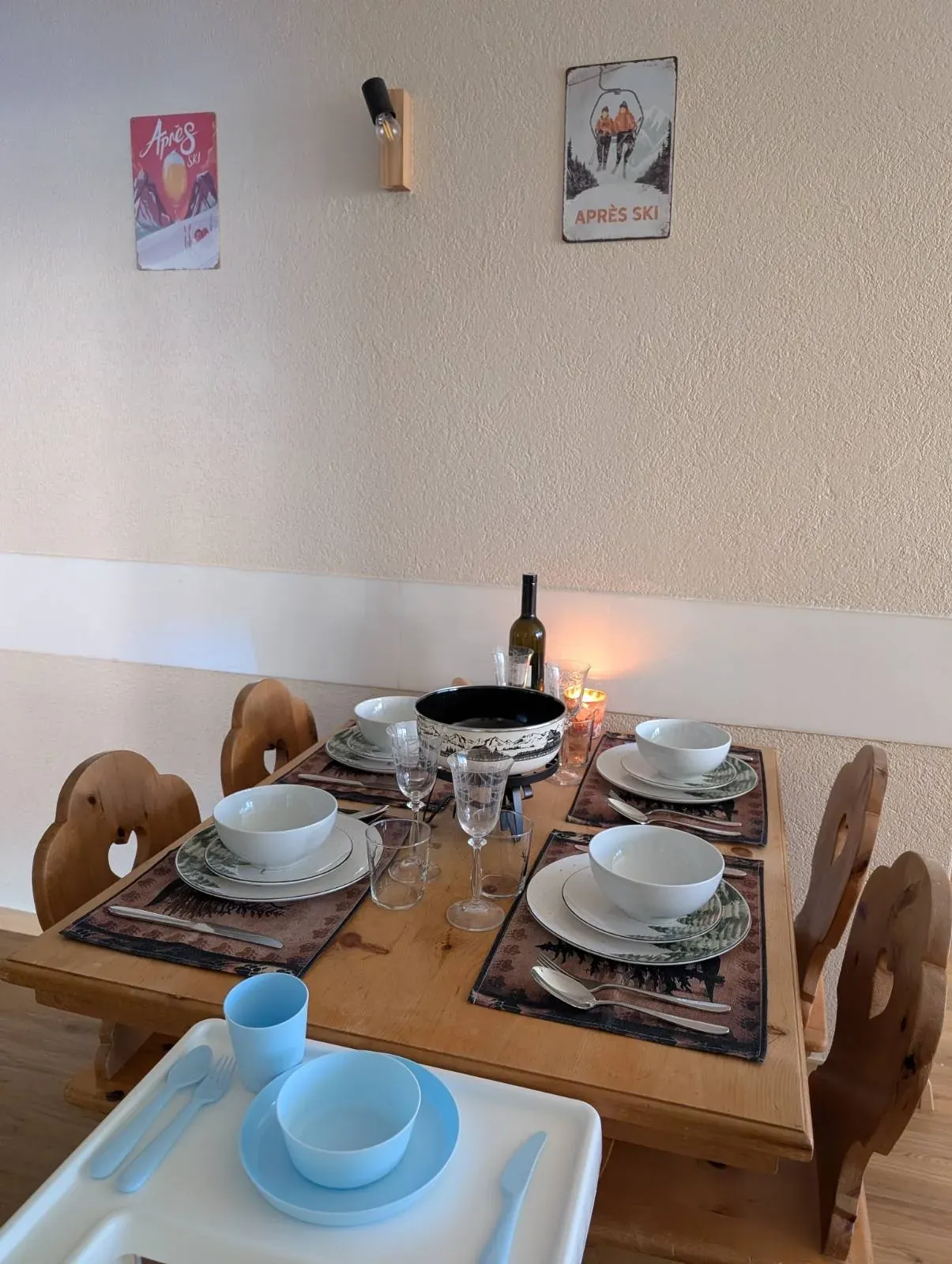
In Alpine Siesta the table is set, the high chair stands in front, the bottle is in the middle. Fondue and raclette are there for Heida and Fendant, a stew for the Cornalin. The children’s room is next door.